
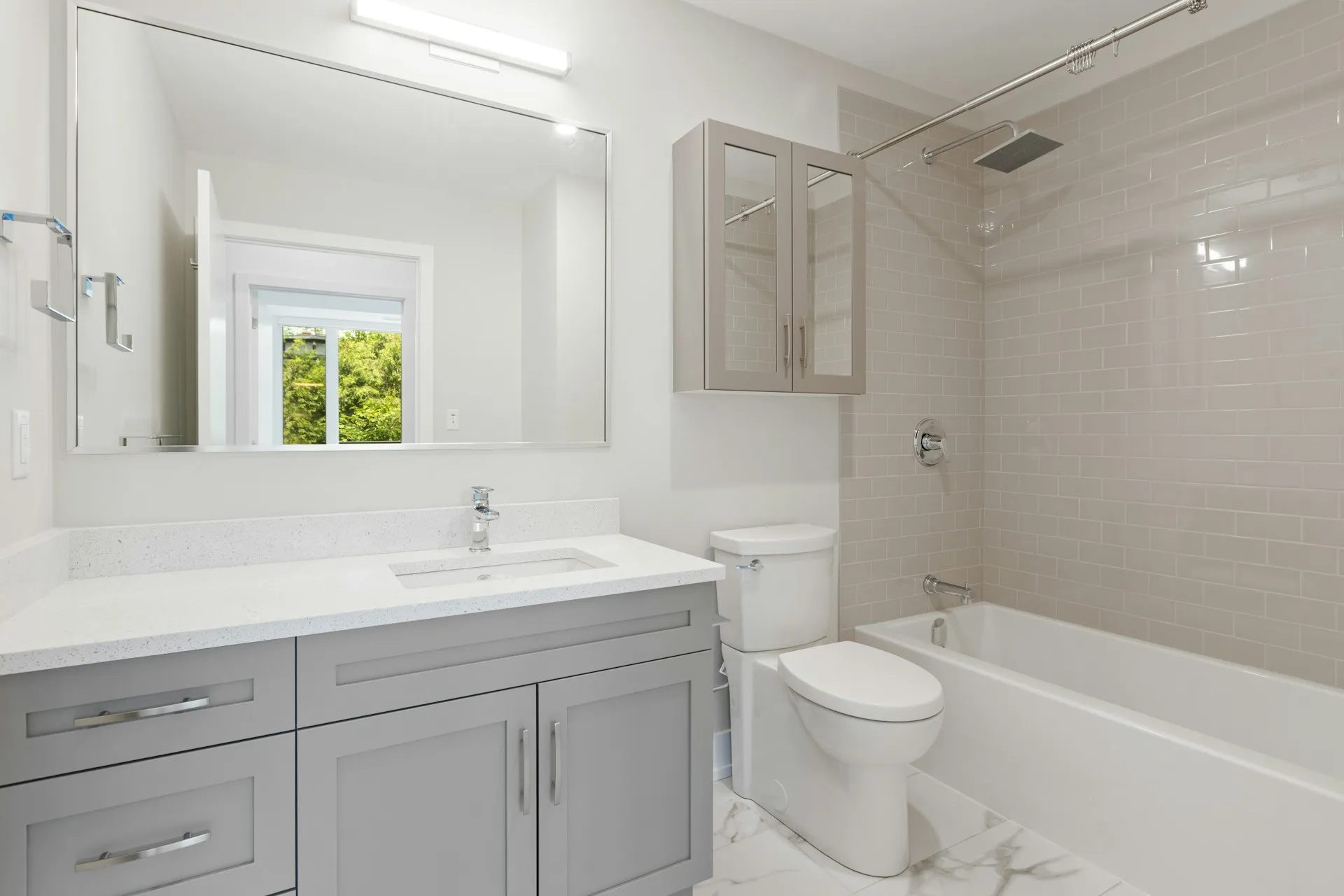
Due to the high concentration of plumbing fixtures and frequent water exposure, bathrooms, compared to other areas, tend to be most vulnerable to water leaks.
If left unaddressed, small issues, such as persistent leaks, can soak into subfloors, damaging the foundation. A damp environment can breed biological contaminants that trigger respiratory issues or cause illnesses.
By recognising the early signs, you can take appropriate steps to address the leak before an inexpensive fix spirals into a massive undertaking. In this article, we'll be sharing a few signs you need bathroom waterproofing in Singapore.
1. Cracked or Loose Floor Tiles
Cracked or loose tiles are a sign that water has compromised the foundation or the adhesive bonding beneath the surface. They may shift underfoot or sound hollow when you tap them. Over time, as more water seeps into the exposed subfloor, it can trigger structural or chemical deterioration: concrete spalls (chunks of concrete flake or crack), the waterproof membrane erodes, eventually migrating through the inter-floor slab.
2. Water Appearing in Places Where it Shouldn't Be
If you happen to notice water appearing in places it shouldn't be—at the junction where the wall and floor meet; dampness inside a vanity cabinet; a puddle at the base of the toilet—there's a good chance you have a leak. Plumbing, by its very nature, is designed to keep water contained within pipes, fixtures and water-proofed zones. Any deviation from its approved path is cause for concern.
3. Peeling Paint and Bubbling Walls
Blistering and peeling paint usually points to trapped moisture behind the surface. Moisture disrupts the physical and chemical bond between the paint and the surface. In bathrooms, steam may cause minor issues, but widespread or persistent peeling often signals deeper water penetration.
4. Persistent Musty Odour
A musty or damp smell that does not disappear after cleaning is often a sign of hidden moisture. Water trapped behind tiles or in wall cavities creates the perfect environment for mould and mildew. Winborne's team uses advanced moisture detection equipment to locate these hidden leaks, even in hard-to-reach areas.
5. Mold or Mildew Growth
Singapore being a humid country, mold and mildew cases are common, appearing not only in bathrooms and kitchens but also behind furniture and in wardrobes and storerooms. However, mold that comes as a result of a leak, often looks and behaves very differently. If it forms in a spot that doesn't get splashed by the shower, blooming in a circular pattern or following a line, persistently regrowing even after being cleaned, then you are most likely looking at a leak, and need to call a waterproofing specialist.
6. Discoloured or Warped Surfaces
Seepage can cause walls, ceilings and cabinetry to warp or discolour due to prolonged moisture exposure. Appearing as yellow, brown or dark patches, an effect stemming from minerals left behind after the water evaporates, they may appear in units below as a result of water migrating through the inter-floor layers.
7. Efflorescence on Surfaces
Efflorescence appears as a white, powdery residue on tiles, walls or concrete. It occurs when water evaporates and leaves mineral deposits behind. Though subtle, it indicates long term moisture damage and water migration beneath the surface.
Why Early Action Matters
Waterproofing issues rarely resolve themselves. What begins as light discolouration, hairline cracks, or occasional dampness can gradually escalate into widespread membrane failure, concrete deterioration, or damage to ceilings and cabinetry in neighbouring areas.
Early intervention limits this progression. Addressing leaks at their initial stage reduces the need for extensive demolition, shortens repair timelines, and helps preserve existing finishes. It also prevents secondary issues such as mould growth and compromised indoor air quality.
At Winborne, we have completed thousands of waterproofing projects for bathrooms & toilets since 1999. We are one of the pioneers in Singapore for Flood Infusion Treatment, a revolutionary non-invasive method to treat bathroom leakage. The treatment is fast, effective, and affordable. We only use industry-grade materials that are safe, eco-friendly (Singapore Green Label standard), and tested by independent labs in Singapore. The waterproofing process usually takes half a day to complete, no hacking of tiles, and the bathrooms are ready to use after 24 hours.
Concerned about a leak? Reach out to us for a professional assessment. Let us help you turn a small (or big) leak into a lasting fix.